 IKOMA
IKOMA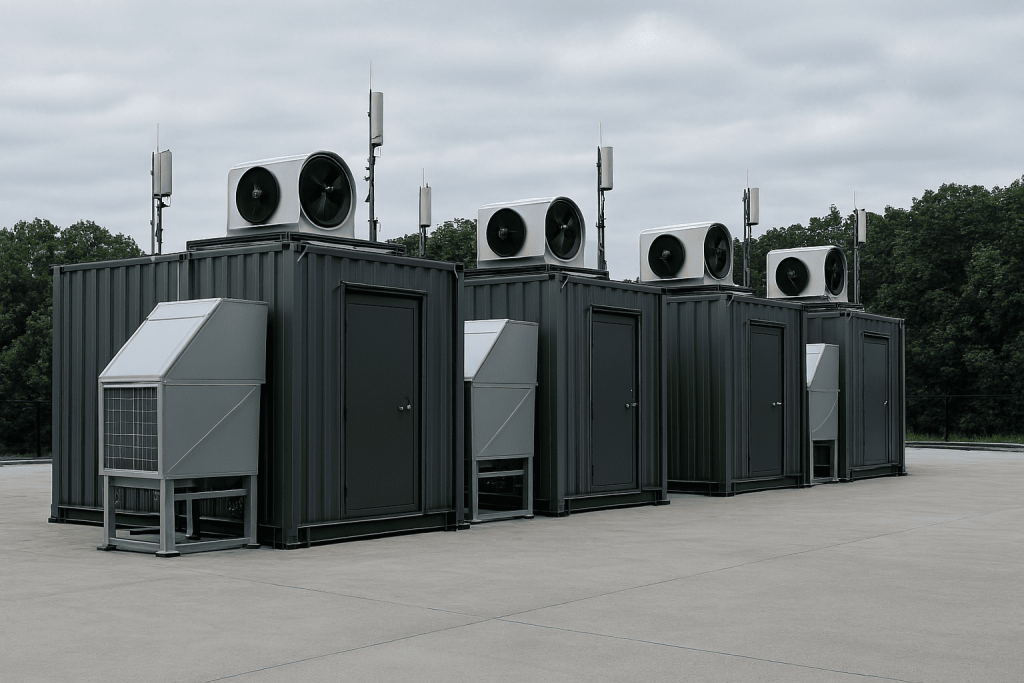
As digital services become more sophisticated, users expect faster response times and seamless experiences. Whether streaming content, using cloud applications, participating in video conferences, or operating connected devices, speed matters. This is where edge data centres play a crucial role.
An edge data centre is a localized computing facility positioned closer to end users and devices. Unlike traditional centralized data centres, edge facilities process and store data near the point of generation, reducing the distance information must travel.
The primary advantage of edge computing is reduced latency. Latency refers to the delay between a user's action and the system's response. In applications such as autonomous vehicles, industrial automation, healthcare monitoring, and online gaming, even milliseconds can make a significant difference.
Traditional cloud environments often require data to travel long distances to centralized facilities before processing occurs. Edge data centres eliminate much of this delay by bringing computing resources closer to users.
The emergence of 5G technology has further increased the importance of edge infrastructure. High-speed connectivity enables devices to generate and consume massive amounts of data. Edge facilities help process this information efficiently while maintaining optimal performance.
Industries across multiple sectors are adopting edge computing solutions. Retail organizations use edge infrastructure for real-time inventory management and personalized customer experiences. Healthcare providers rely on edge computing for telemedicine and remote patient monitoring. Manufacturing companies use edge facilities to support smart factories and predictive maintenance systems.
Security and compliance also benefit from edge architecture. By processing sensitive information locally, organizations can better manage data privacy requirements while minimizing exposure to potential threats.
Edge data centres support scalability by enabling businesses to distribute workloads across multiple locations. This decentralized approach enhances resilience and improves overall network performance.
As digital transformation accelerates, demand for low-latency infrastructure will continue to grow. Organizations seeking competitive advantages increasingly recognize the value of edge computing as a strategic investment.
Edge data centres are not replacing traditional facilities; they are complementing them. Together, they create a powerful ecosystem capable of supporting modern applications, emerging technologies, and future innovation.
In a world where speed, reliability, and real-time decision-making are becoming essential, edge data centres represent a critical component of next-generation digital infrastructure.